
Child care, land use planning, and public goods
It’s been hard for me to write since the election, or at least more so than usual. To sit down and acknowledge the disappointment and fear and anxiety I’m feeling, to know I have to move forward anyway, to not be sure what that looks like, to not want to face what is coming in January. I’ve been avoiding the news, which is not something I usually do, but it’s felt like a needed respite after months of election coverage telling me that our “democracy hangs in the balance,” and now it seems we’re on the wrong end of that balance, waiting for the scale to tip, wondering if we have the reserves to fight back this time around. I've been trying to find my own internal locus of control, something tangible and meaningful I can do in my own community that does not depend so much on external factors like, say, the Presidency and federal government. It’s been bringing up some questions for me, like how do I even define what my community is, where do I draw that line? And what does it mean to belong to one another in tangible, accountable , meaningful ways?
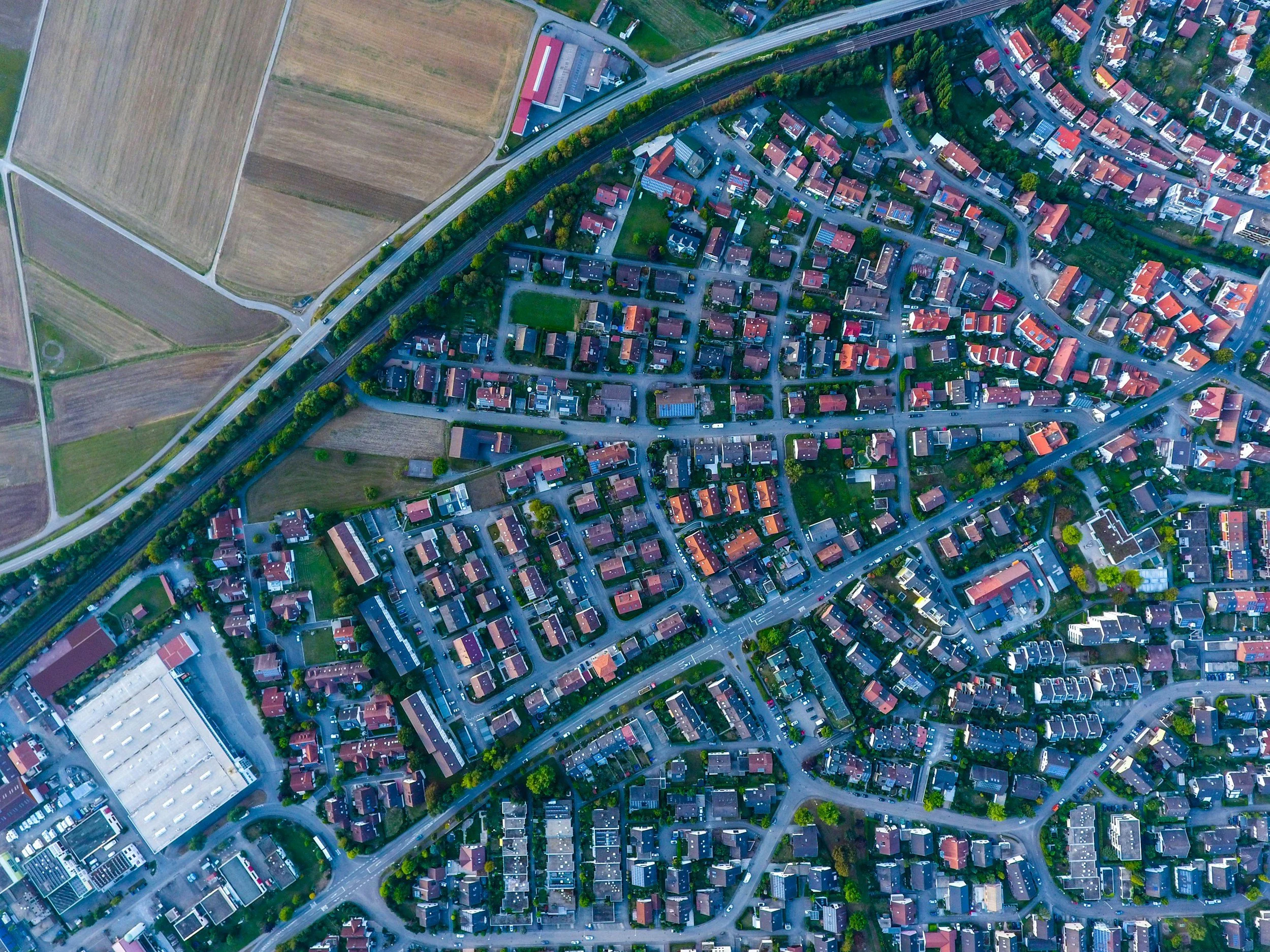
My professional work is in early child care policy, and I’ve been researching how to invest in and support child care facilities in WA state as part of this work. Over the past year I’ve looked at strategies to plan for and encourage the development of child care facilities by reducing restrictive zoning policies, expediting permitting processes, waiving fees, and incentivizing real estate developers to build child care spaces in existing buildings such as vacant office spaces and public spaces. It turns out that one tangible way that we codify our values and our commitments to each other is in the DNA of the land use code, as wonky as that is and does sound. It is mainly local governments that are responsible for how land is used in the U.S. - they have permitting authority for how and where buildings are located, and plan out how we use land and public buildings for the “public good.” This stuff is so in the weeds, though, that it seems very few people outside the land use profession know about or engage in the process, which happens in city and county-level land use commissions and public meetings. Land use planners are not required to plan for child care in the U.S., because the care of young children is not considered a “public good” - e.g. things that we all collectively benefit from, like roads, libraries, K-12 schools, parks - even though anyone who has had young kids or spends time with them is aware that care for children ages 0-5 is critical for parents to go back to work, and for families to thrive.

Instead, in the U.S. we categorize child care uses in land use code as an “amenity,” the same way we code retail businesses - gyms, coffee shops, restaurants, bars. And because it’s cheaper and usually more profitable to run a coffee shop or a bar, there are many more places to get a cup of coffee or a beer in my neighborhood than there are places to care for toddlers and babies. This is because child care is mainly provided by private businesses in the U.S., and while it is still heavily regulated by the public sector, it is not subsidized by the public sector at nearly the extent needed to make it accessible and affordable to families. As a result, the business model is tenuous and difficult to sustain, especially among small and independent child care providers, who make up 90% of the current market.1 (TLDR: market forces left to their own devices are not good at equitably providing child care, among other things).
Yet we know that demand for child care is tied to housing, transportation, and employment, and existing land use policies and regulations directly impact the ability of child care programs to expand their physical footprint. This lack of intentional planning for child care contributes to major impacts on families across the U.S.: In Washington state, 63% of families live in a “child care desert,” where demand for child care outstrips the supply of licensed spots by 3:1, and the services that are available for children often cost more than a monthly mortgage, or university tuition. Since 1990, child care expenses have more than tripled, outpacing wages, groceries, and even housing. Child care is one of the most expensive items in family budgets. The median amount parents pay has reached $800 per month, increasing to $1,100 for those who require 20 hours or more of child care each week. These costs are typically around 50 percent to 70 percent of families’ total housing payments, often making them the top expense for households. The Center for American Progress finds that child care expenses push 35 percent of impoverished families with young children who pay for care into poverty, totaling about 134,000 per year. 2 At the same time, waiting lists for child care openings can last years, particularly for babies and toddlers, who require higher teacher to child ratios that make them less profitable to operate.
There are lots of reasons for this mismatch in supply and demand that could take up many pages, but in summary: the public sector needs to fully subsidize child care to actually cover the costs of providing high quality care and living wages to teachers, and states and cities have an important role to play in making child care more accessible and affordable locally.
One under-looked but impactful way we can do this is to update our land use codes to actually reflect our communal values - to acknowledge that we need and want more child care where families are living and working, and we are willing as a community to remove obstacles and regulatory barrier and fees to get these facilities built and new programs off the ground. This does not solve for the need to fully subsidize child care as a public good - this needs to happen if we are to meaningfully meet the demand for child care in our communities - but it is one tangible and intentional step in codifying our values in our systems and public discourse.
It gets me back to that foundational question I’ve been asking myself - before the election but even more so now - what does it look like to belong to each other, to support young families through this most critical and difficult and joyful and transformative time of life? What does it feel like to do this work as a community, and how do we talk about government and caring for families in a way that resonates with people?
Over the course of this project, we’ve encouraged planners to include child care as both a goal in their comprehensive planning documents (these set the vision and intention for land use planning), and as actionable, measurable policy measures in their development regulations (these are the zoning rules and regulations that localities are legally required to comply with). We’ve presented to land use commissions and planners, and had traction with several cities and counties that have removed land use barriers, often with little to no objection from county and city councils and mayors.
It’s been a good and meaningful reminder that we don’t have to change the whole system at once in order to start changing the rules that dictate what gets built and where, to start encoding the values we believe in as a community from the ground up, in the very intentions and requirements that dictate how we share resources with one another, and why.
1 Hurley, Kendra. Slate. The “Solution” to Our Child Care Woes Will Make Everything Worse: https://slate.com/human-interest/2023/12/child-care-centers-shortage-reasons-bright-horizons.html#:~:text=Today%20the%20largest%2011%20for,to%20an%20analysis%20by%20Capita
2 Center for American Progress. Child Care Expenses Push An Estimated 134,000 Families Into Poverty Each Year: https://www.americanprogress.org/article/child-care-expenses-push-an-estimated-134000-families-into-poverty-each-year/